
Retargeting Ads: Complete Guide to Recovering Lost Visitors & Boosting ROI
In the competitive world of performance marketing, getting traffic to your website is the first step. Getting traffic to your website is just the beginning. The real challenge? Only 2-4% of first-time visitors actually convert. That means nearly every visitor you’ve paid to attract leaves without taking action—without buying, signing up, or even leaving their email.
This is where retargeting ads (also called remarketing campaigns) become your secret weapon. Also known as remarketing campaigns, these precision-targeted advertisements follow your website visitors across the internet, gently nudging them back to complete their purchase. For performance marketers, retargeting is often the difference between a profitable campaign and money left on the table.
Here is the complete Concinnity guide which covers everything you need to know: what website retargeting is, how it works, the best retargeting strategies, top platforms, and proven ways to increase conversions with retargeting ads while reducing cart abandonment and maximizing performance marketing ROI.
What Makes Retargeting Ads So Powerful?
Think about your own browsing behavior. You visit a website, browse a few products, maybe even add something to your cart. Then, life happens. A phone call, a meeting, or simply decision fatigue makes you close that tab. Without retargeting, that brand has lost you forever.
Retargeting Ads change that equation entirely. These ads specifically target people who’ve already shown genuine interest in your products or services. Unlike cold advertising that reaches strangers, retargeting reconnects with warm leads who already know your brand. The results speak for themselves: retargeted visitors are three times more likely to click compared to cold traffic, and the average return on ad spend ranges from 3-10x or higher.
For e-commerce brands struggling with cart abandonment, retargeting campaigns can reduce this by 30-50%, directly impacting the bottom line.
Understanding the Four Main Types of Retargeting Ads
Not all retargeting is created equal. The most successful campaigns use a mix of these approaches:
1. Display Retargeting blankets the web with your brand presence through banner ads across the Google Display Network and programmatic advertising networks. Your logo and offers follow visitors as they read news sites, check their email, or browse their favorite blogs.
2. Social Media Retargeting meets people where they spend most of their digital time. Facebook, Instagram, TikTok, and LinkedIn remarketing campaigns feel native to each platform, making them less intrusive and more engaging than traditional display ads.
3. Dynamic Product Retargeting represents the gold standard for e-commerce. Rather than showing generic brand ads, dynamic retargeting displays the exact products each user viewed or abandoned in their cart. This personalization drives conversion rates that are often 3-5 times higher than static advertising.
4. Search Retargeting captures high-intent moments by showing your ads when past visitors search for related keywords on Google. Someone who browsed your software solution but didn’t convert might see your ad when they later search for “best project management tools”—catching them at exactly the right moment.
How Website Retargeting Actually Works
The mechanics are simpler than you might think, but the impact is profound.
When someone lands on your website, a small piece of code called a pixel (from platforms like Google, Facebook, or TikTok) anonymously tracks their behavior. This pixel notes which pages they visited, which products they viewed, whether they added items to their cart, and whether they completed a purchase.
When they leave without converting, they’re automatically added to your retargeting audience list. From that moment, personalized ads begin following them across Google, Facebook, Instagram, YouTube, and thousands of other websites and apps they visit.
Eventually, they see your ad at just the right moment. Maybe they’re on Instagram during their lunch break, or browsing a news site in the evening. They click, return to your site, and complete the action you wanted all along—whether that’s making a purchase, signing up for a trial, or downloading your guide.
This process dramatically increases conversion rates while lowering your cost per acquisition, since the algorithm already has these visitors in its data.
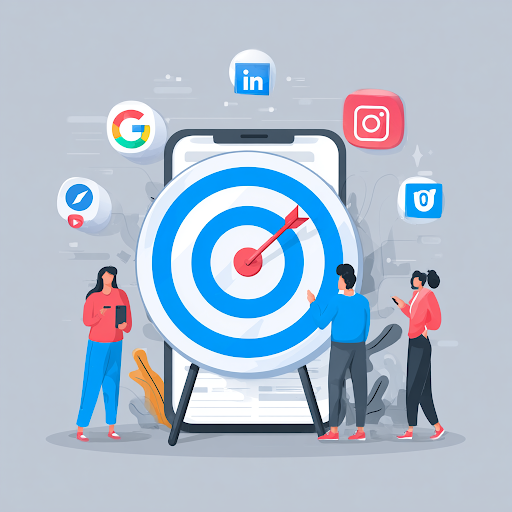
Six Proven Strategies That Multiply Your Retargeting Results
1. Dynamic Product Retargeting: The Highest-Converting Tactic
Generic ads that simply say “Come back!” waste your budget. Dynamic product retargeting shows users the exact items they viewed or abandoned, along with complementary products they might love. This personal touch creates an “it’s like they read my mind” moment that drives conversions.
Brands implementing dynamic retargeting consistently see conversion rates jump by 3-5x compared to static alternatives.
2. Smart Audience Segmentation: Stop Treating Everyone the Same
The biggest mistake in retargeting is showing identical ads to everyone. Your audiences have different needs:
- Cart abandoners are on the fence. They need reassurance, urgency, or a small incentive. Ads like “Complete Your Order – 10% Off Waiting Inside” work wonders.
- Product viewers who didn’t add to cart need more convincing. Show them social proof, customer reviews, or highlight key benefits they might have missed.
- Past purchasers shouldn’t see first-purchase ads. Upsell them on complementary products or invite them to join your loyalty program.
- Blog readers or resource downloaders are earlier in the journey. Offer them lead magnets, free trials, or educational content to move them down the funnel.
3. Cross-Channel Remarketing: Be Everywhere They Are
Single-channel retargeting leaves opportunities on the table. The most effective campaigns hit the same user across multiple platforms: Google Display, then Instagram, then Facebook, then YouTube. This multi-touch approach increases conversion rates by 40-60% because it reinforces your message without overwhelming any single channel.
4. Retargeting Ads Funnel Optimization: Timing Is Everything
Not all retargeting should be created equal. Structure your campaigns based on how long someone has been in your audience:
- Days 1-3: High frequency, strong calls to action, dynamic product ads
- Days 4-14: Lower frequency, introduce new creative angles, address potential objections
- Days 15+: Exclude anyone who converted, shift remaining visitors to loyalty or upsell campaigns
This prevents ad fatigue while ensuring your message stays relevant as the decision-making process evolves.
5. Frequency Capping: Don’t Become That Annoying Brand
There’s a fine line between persistent and pestering. Showing someone your ad 50 times in a week will only build resentment toward your brand. Aim for 5-15 impressions per user over 30 days, and use “burn codes” to automatically exclude people who’ve already converted.
6. First-Party Data Integration: Future-Proof Your Campaigns
With privacy regulations tightening and third-party cookies disappearing, smart marketers are combining retargeting with first-party data. Upload customer lists from your CRM, implement server-side tracking through Google’s Conversion API or Facebook’s Conversions API, and build more resilient campaigns that don’t rely solely on browser cookies.
Platform-Specific Tactics That Drive Maximum ROI
Facebook Retargeting: Advanced Techniques
Facebook’s advertising ecosystem offers unique opportunities for retargeting mastery. Use the Catalog Sales objective for dynamic ads, ensuring the right products reach the right users automatically. Combine video views with website visitors to create “warm video retargeting” audiences, i.e., people who’ve both watched your content and visited your site represent highly qualified prospects.
Test Advantage+ Creative optimizations to let Facebook’s AI automatically adjust your ad elements for better performance. Finally, set a 7-14 day lookback window rather than the default 30 days. This shorter timeframe focuses your budget on people with more recent intent, often delivering faster results.
Google Ads Remarketing: Proven Methods
Google’s remarketing capabilities extend beyond simple display ads. Combine customer match audiences with similar audiences to reach both existing site visitors and new people who resemble your best customers.
Use Remarketing Lists for Search Ads (RLSA) to bid more aggressively on branded keywords when past visitors search for them. Someone who visited your site last week and now searches for your brand name is incredibly likely to convert—make sure you win that auction.
For automated campaign types, add your retargeting lists as audience signals in Performance Max campaigns. While you can’t control exactly where these ads appear, providing Google with quality audience data helps the algorithm find and convert the right users faster.
The Costly Mistakes That Kill Retargeting ROI
Even experienced marketers fall into these traps:
- Showing the same ad 50+ times burns your audience out and damages brand perception. They’ll start actively avoiding your company.
- No segmentation treats cart abandoners exactly like casual blog readers. These groups need completely different messaging.
- Forgetting to exclude converters wastes budget showing ads to people who already bought. Always create exclusion lists for recent customers.
- Using static ads instead of dynamic in e-commerce is leaving money on the table. When someone viewed specific products, show them those products.
- Ignoring mobile optimization in 2025 is inexcusable. More than half of retargeting impressions happen on mobile devices. If your ads or landing pages aren’t mobile-friendly, you’re losing sales.
- Sticking to the same old platforms limits your reach. Test emerging channels like TikTok and Pinterest, where competition is lower and costs can be significantly cheaper.
Start Recovering Your Lost Revenue This Week
Retargeting ads remain one of the most powerful, measurable strategies to transform lost visitors into customers, reduce cart abandonment, and multiply your marketing ROI. The data is unequivocal: brands not running retargeting campaigns are losing a staggering amount of potential revenue with every passing day.
You don’t need to launch a complex operation immediately. Start with the fundamentals: install your tracking pixels on all key pages, build two basic audiences (all website visitors and cart abandoners), launch dynamic product ads to these segments, and monitor your results closely.
Within 7-14 days, you’ll start seeing visitors return. Within a month, you’ll have enough data to optimize and expand. And within a quarter, retargeting will likely become one of your highest-ROI channels.
Ready to Transform Your Performance Marketing?
Your lost visitors represent an enormous pool of potential revenue: people who already expressed interest in what you offer. Every day without retargeting is another day of leaving money on the table.
Concinnity Limited specializes in recovering lost revenue through precision retargeting campaigns. Our team has helped dozens of brands transform their cart abandonment rates, multiply their ROAS, and build sustainable growth through strategic remarketing.
Book a free strategy call today and discover how we can help you start recovering revenue in as little as 7 days. Let’s stop losing those hard-won visitors and start converting them into loyal, paying customers.